Website Technology Trends in 2026: The Future of Modern Web Development
The web is evolving faster than ever, and 2026 is shaping up to be a transformative year for website technology. Businesses are no longer satisfied with websites that simply look attractive—they demand platforms that are intelligent, lightning-fast, highly secure, and capable of delivering personalized experiences to every visitor. With advancements in artificial intelligence, modern web frameworks, cloud infrastructure, and immersive user interfaces
Artificial Intelligence Becomes a Standard Feature
Artificial Intelligence (AI) has become an essential component of modern websites rather than an optional enhancement. Businesses now integrate AI-powered chatbots, intelligent search, personalized recommendations, automated content generation, and predictive analytics directly into their websites. These technologies help visitors find information faster, improve customer support, and create highly personalized user experiences. AI also assists website owners by analyzing visitor behavior and suggesting improvements that increase conversions and engagement.
2. Faster Websites with Modern Frameworks
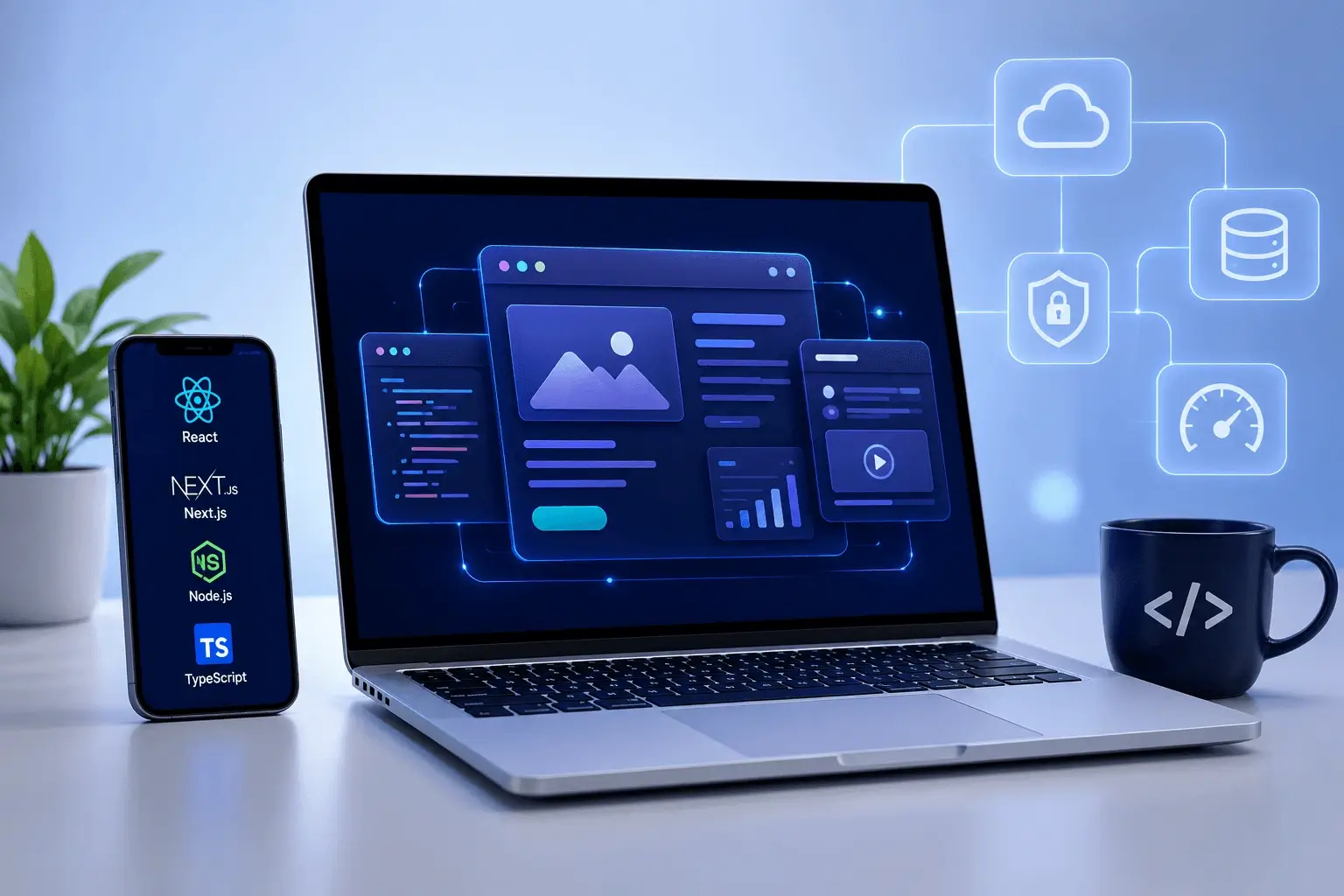
Performance remains one of the most important factors in website success during 2026. Modern JavaScript frameworks such as React, Next.js, Vue, Nuxt, and Svelte continue to evolve, offering better rendering techniques and improved loading speeds. Server-side rendering, static site generation, and edge rendering ensure that websites load quickly regardless of the user’s location. Faster websites improve search engine rankings, reduce bounce rates, and provide a smoother browsing experience across all devices.
3. Progressive Web Apps Continue to Grow
Progressive Web Apps (PWAs) have become increasingly popular because they combine the best features of websites and mobile applications. Users can install a PWA directly from their browser without visiting an app store while enjoying offline functionality, push notifications, and fast performance. Businesses benefit from lower development costs because a single application can serve users across desktop, Android, and iOS platforms.
4. Enhanced Website Security
Cybersecurity continues to be a top priority for organizations operating online. Modern websites now include stronger authentication methods, advanced encryption, multi-factor authentication, automated vulnerability scanning, and AI-driven threat detection. Secure hosting environments and regular security updates protect customer data while building trust with users. Investing in website security has become essential for maintaining business reputation and regulatory compliance.
Conclusion
Website technology in 2026 is defined by intelligence, speed, security, accessibility, and scalability. Businesses that embrace AI, modern frameworks, cloud infrastructure, and user-focused design will be well-positioned to deliver exceptional digital experiences. As technology continues to evolve, investing in innovative web solutions is no longer just a competitive advantage—it is a necessity for sustainable business growth in an increasingly digital world.